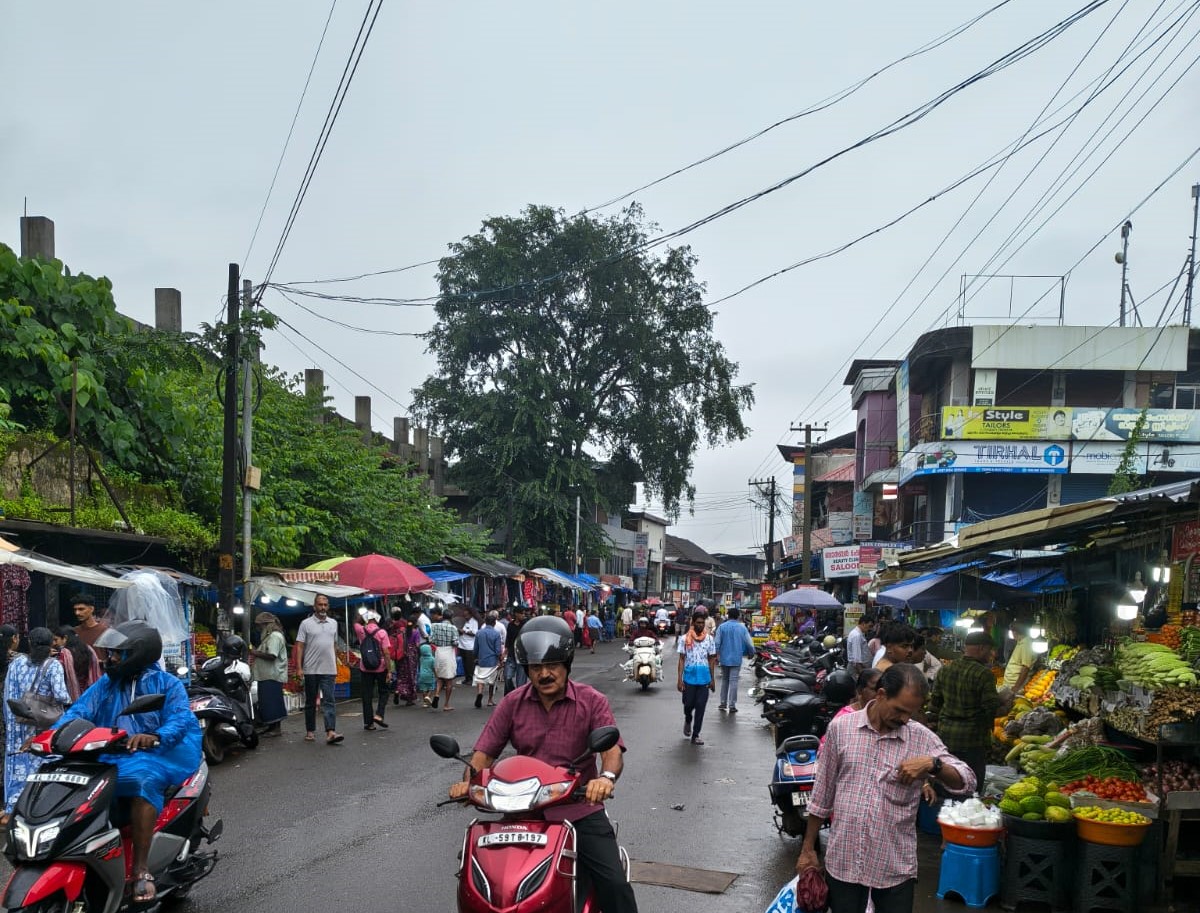
 fig. 1the morning market, town-side
The market economy
How produce is priced, sold and traded; supply, demand and the working day of a market town.
Business & Economics
A learning stay by the sea
A family takes a house on the Kannur shore, cooks together, and spends a handful of unhurried days turning a stretch of coastline into a classroom — guided by a teacher who has spent a career designing learning for children who don't sit in ordinary ones.
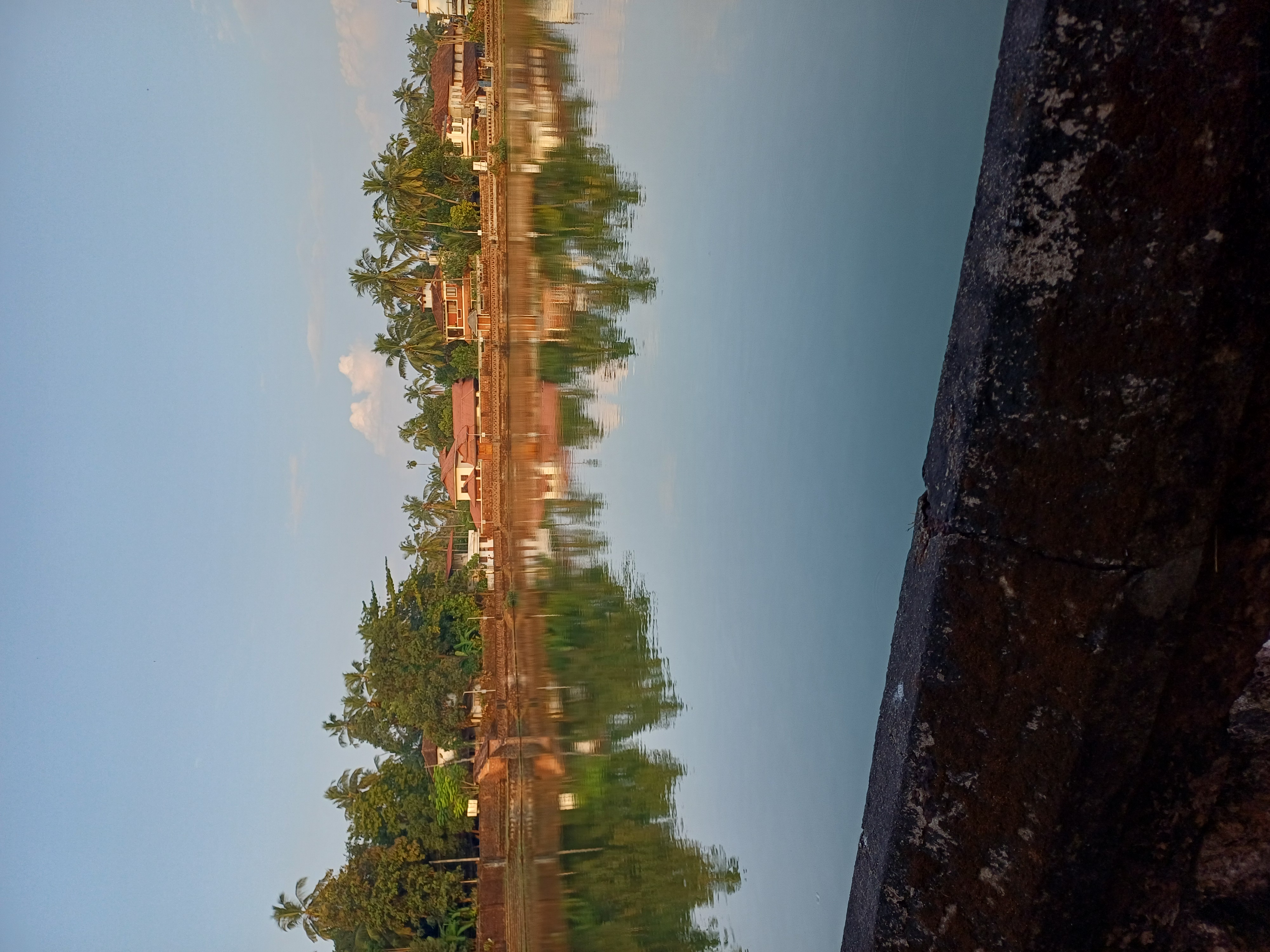 Plate I
the temple pond, first light
Plate I
the temple pond, first light
02 — What the coast can teach
Each stay is anchored to one or two themes, pitched to your child's age and level. A few of the threads this coast offers — every one of them a doorway into a school subject, approached from the real world.
See the full annual project plan →fig. 1the morning market, town-sideHow produce is priced, sold and traded; supply, demand and the working day of a market town.
Business & Economics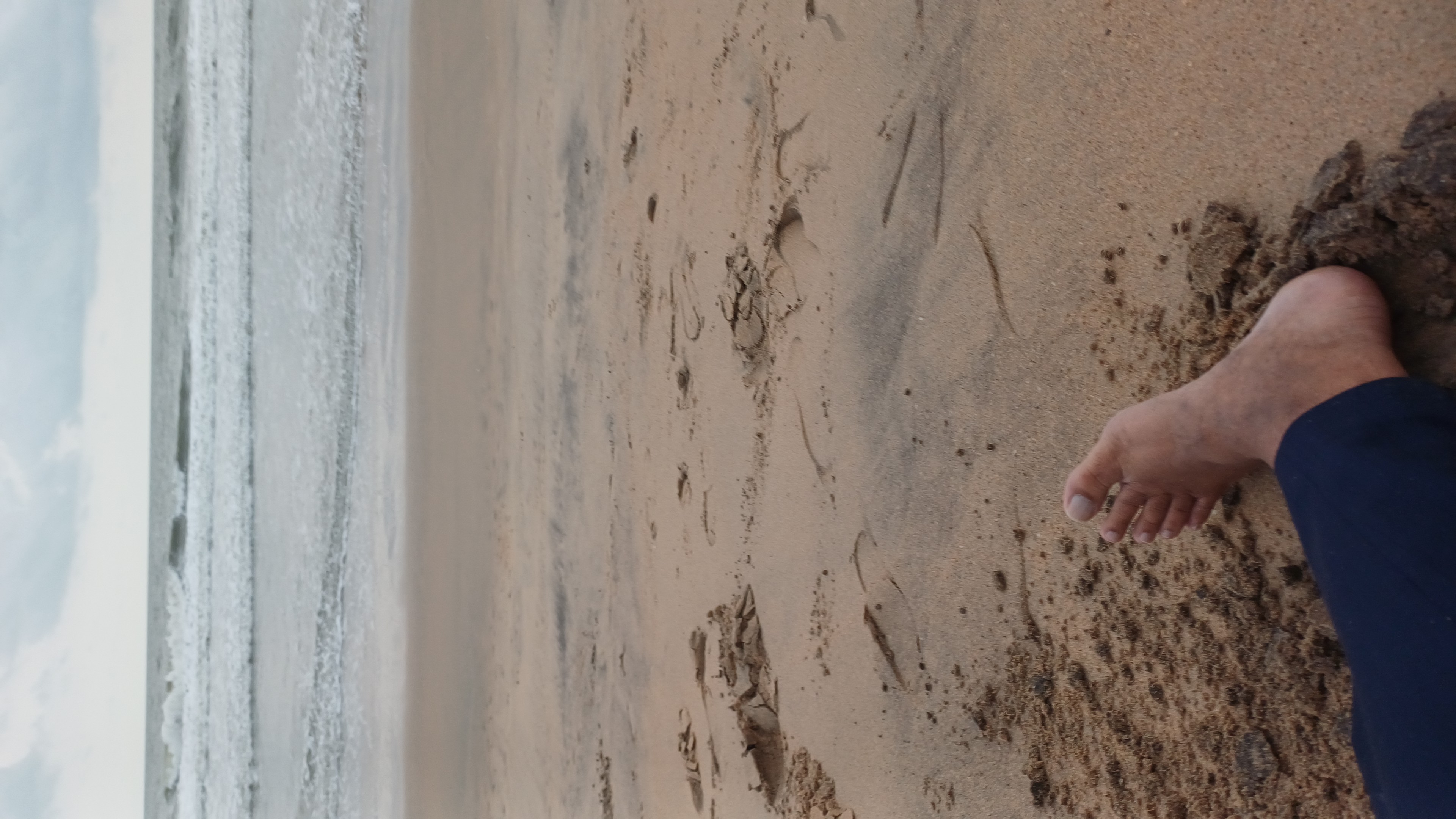 fig. 2the shore underfoot, Kannur
Close observation of coastal life — habitats, adaptation and the rhythm of the tides, recorded by hand.
Biology & Environmental Science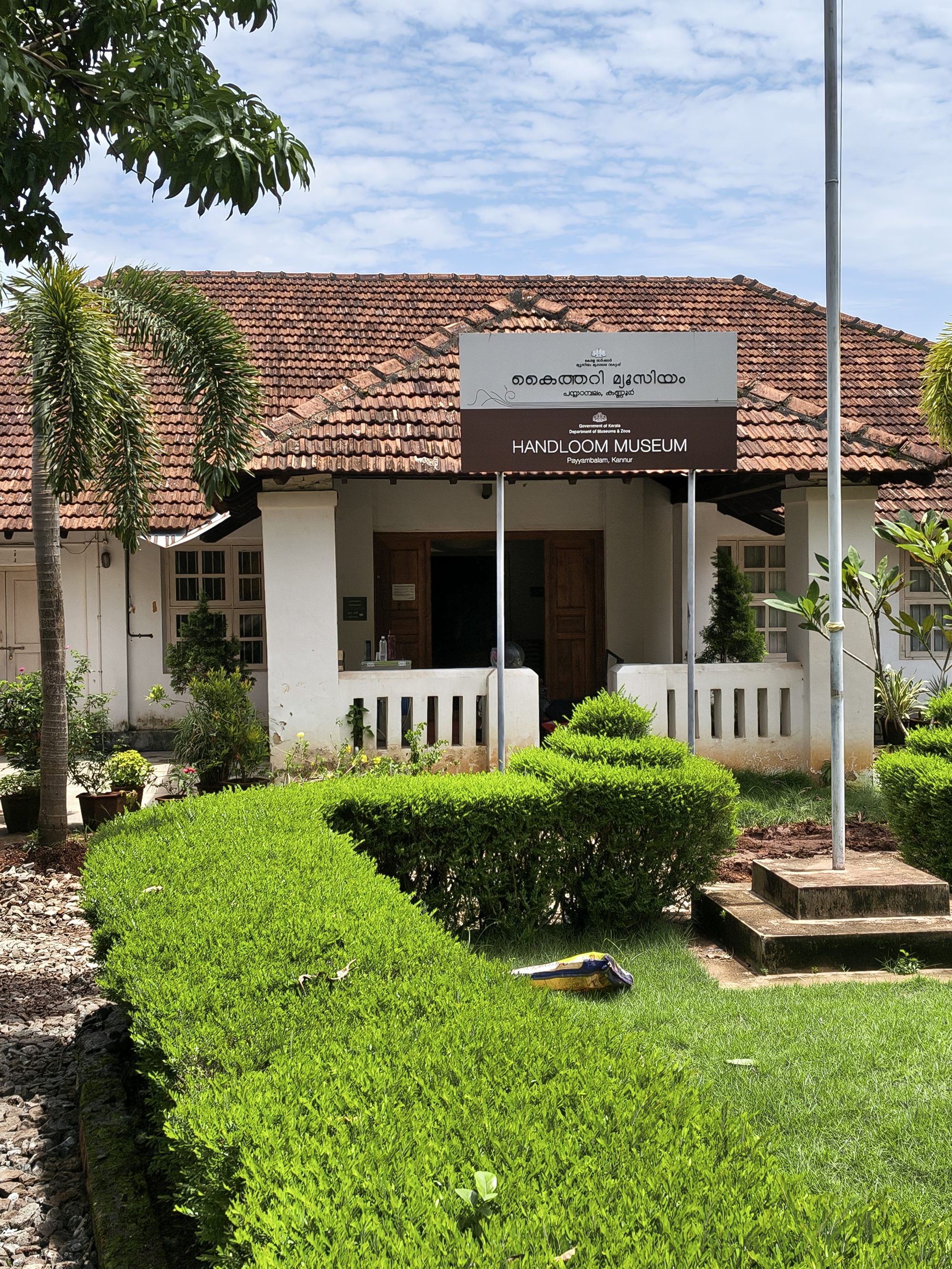 fig. 3handloom, Kannur weave
Pattern, fibre and the economics of a cottage industry that clothes the region and travels the world.
Geography, Design & Commerce fig. 4the working kitchen
Measurement, heat, fermentation and flavour — chemistry and culture you can eat at the end of the lesson.
Chemistry & Life Skills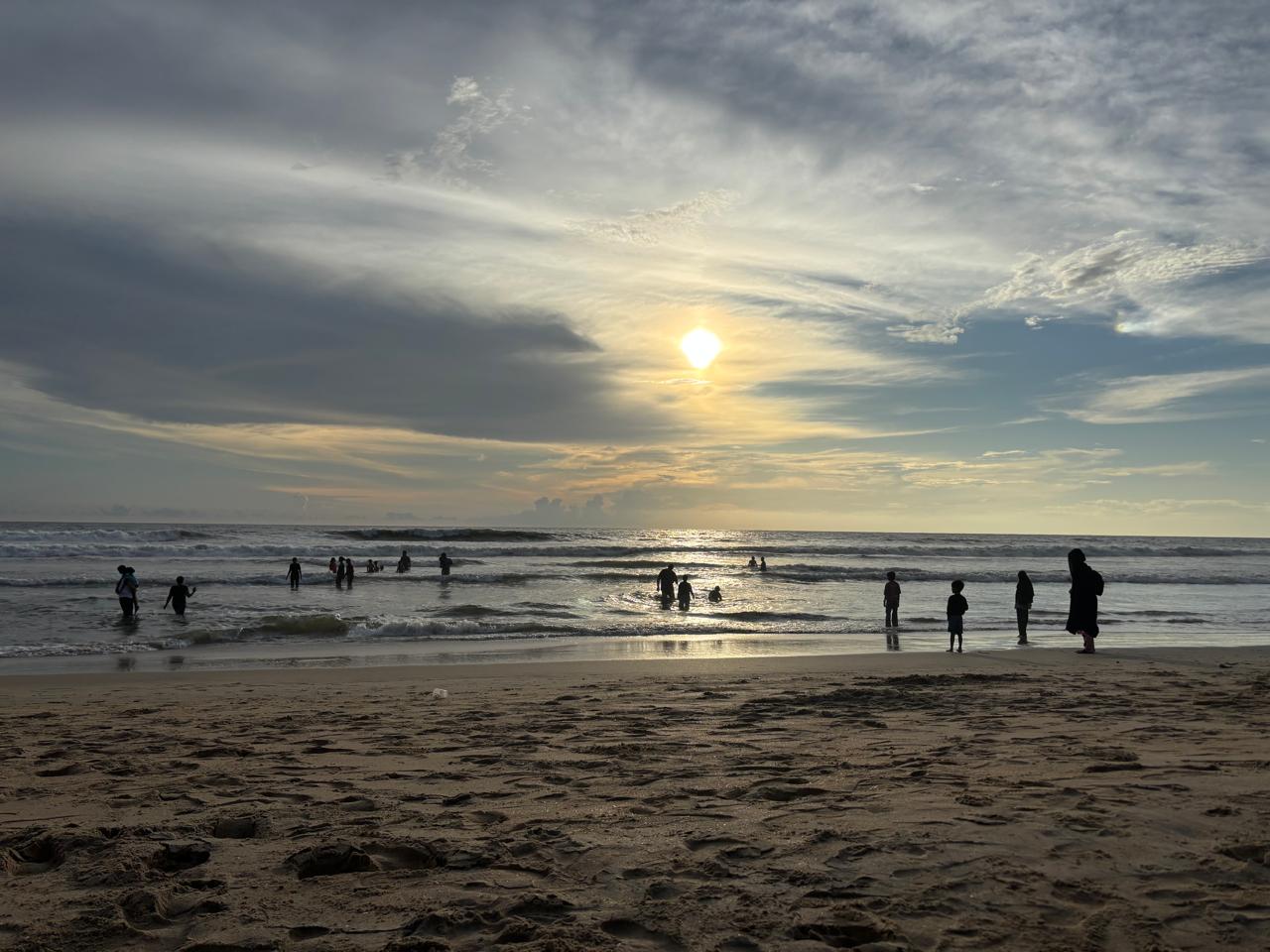 fig. 5evening sky, the open sea
Reading the coast — weather, navigation and the geography that shapes how people here live and move.
Geography & Mathematics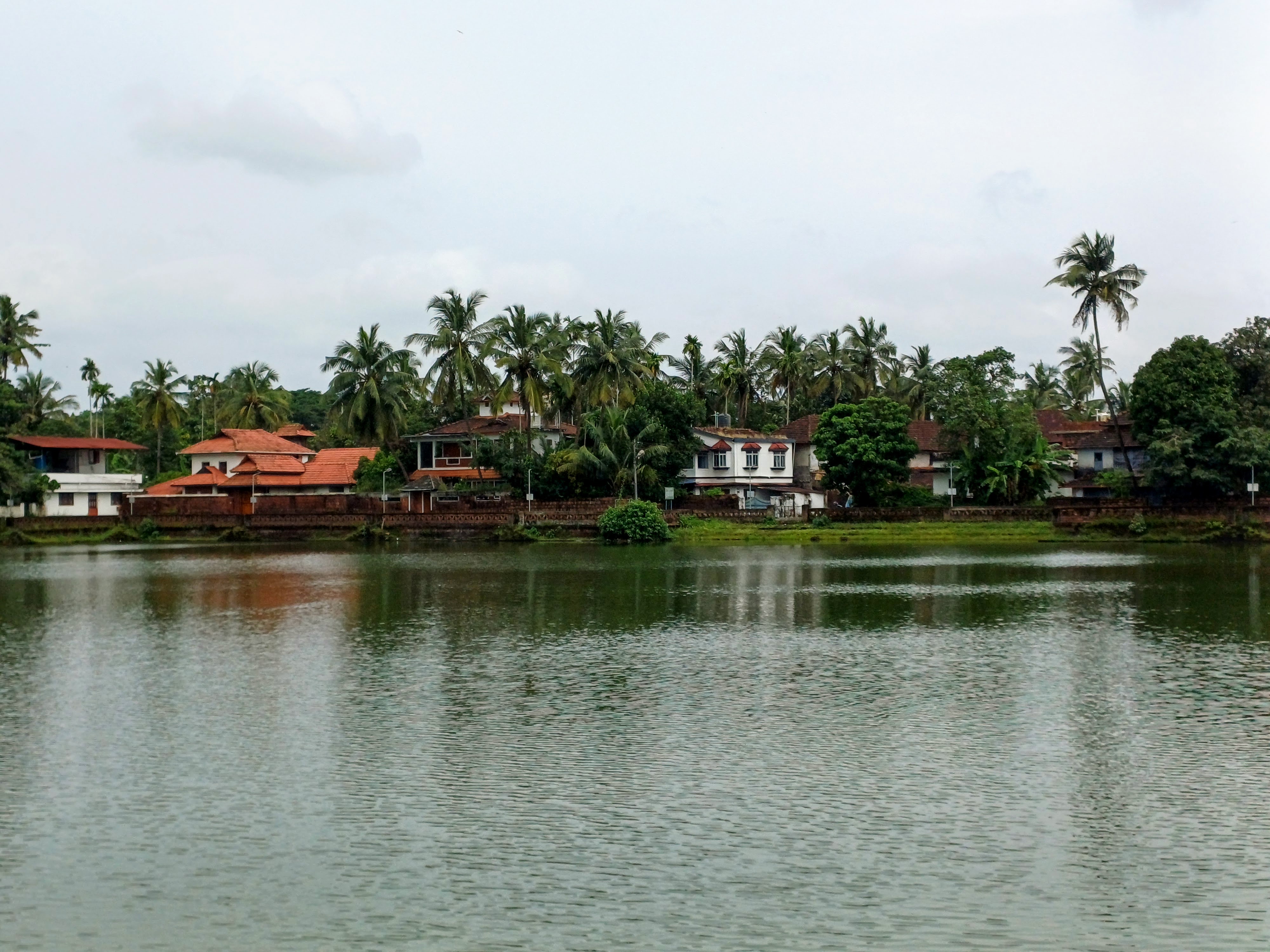 fig. 6the backwater, palm-lined
Kayaking the backwaters, plotting the route by GPS, and a ferry down the Valapattanam river — fieldwork that doubles as adventure.
Geography & Fieldcraft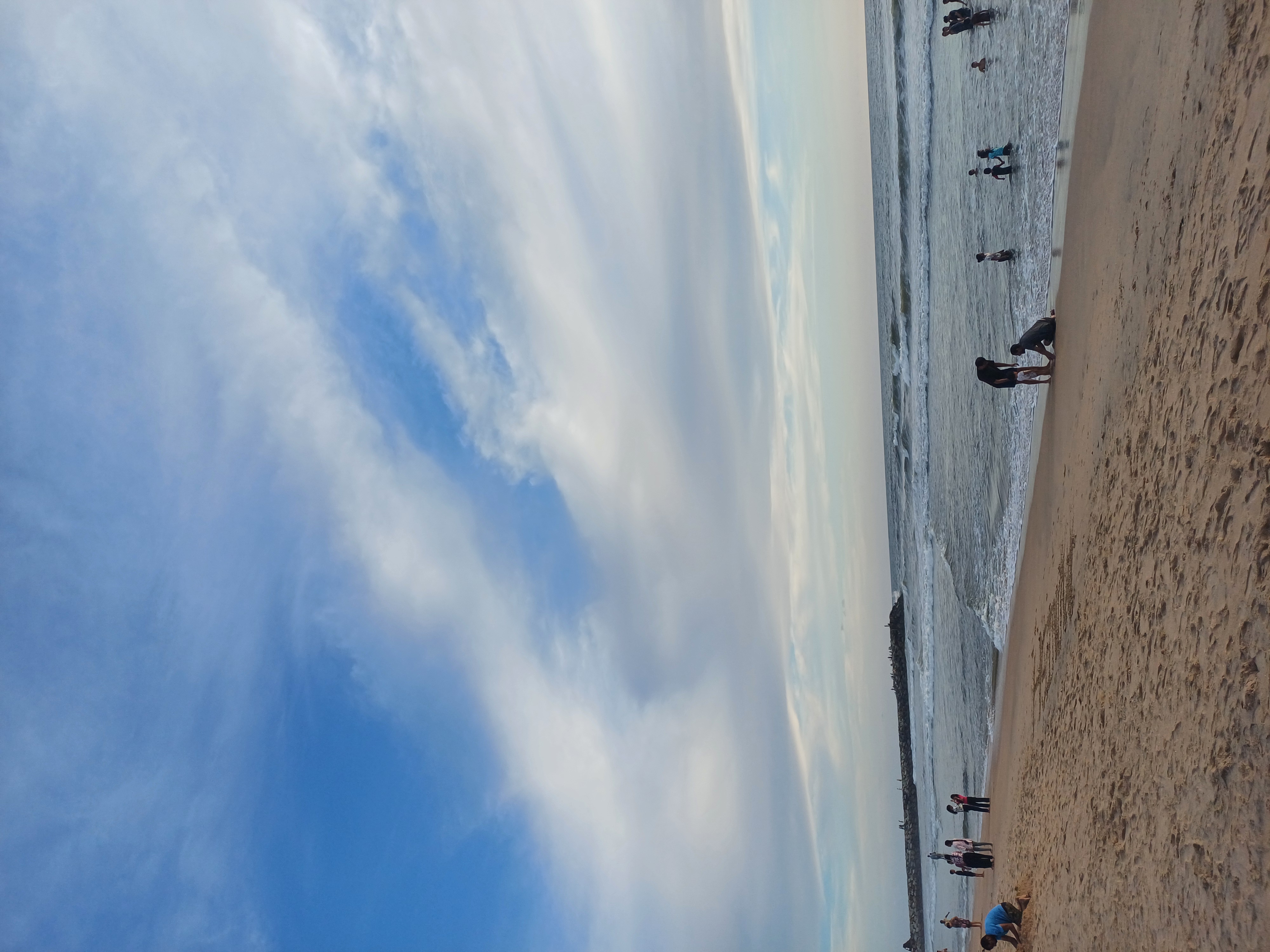 fig. 7the beach, in season
How a beach town earns from travellers — the seasons, what a homestay charges and why, and the real trade-offs tourism brings to a coast.
Business, Economics & Tourism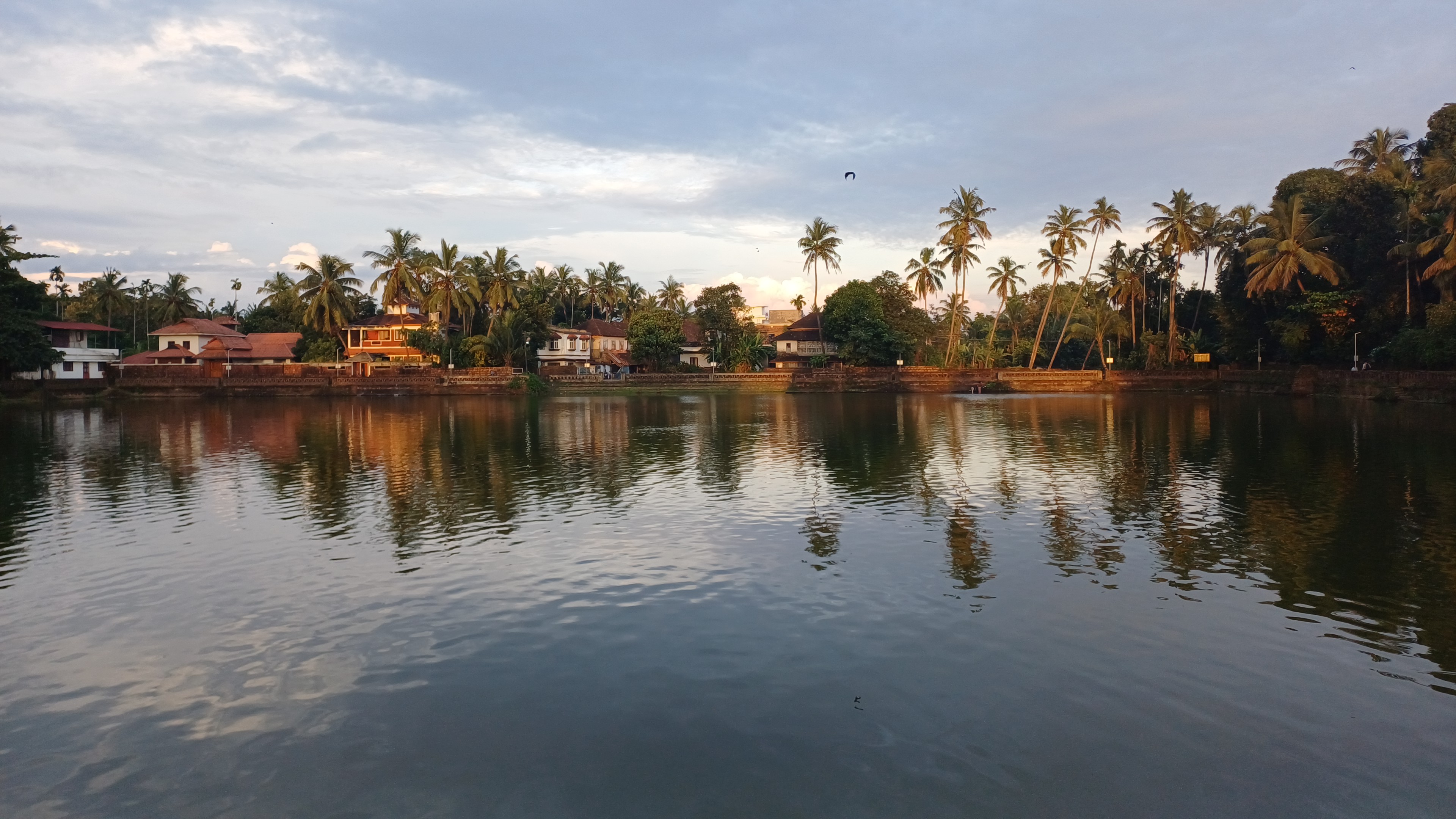 fig. 8the temple pond, evening light
Many families come to the Malabar coast for its ancient temples, palaces, forts and places of worship — Parassinikkadavu, St. Angelo Fort, the old shrines of Kannur and beyond. We read their architecture, history and ritual on the ground.
History, Architecture & Belief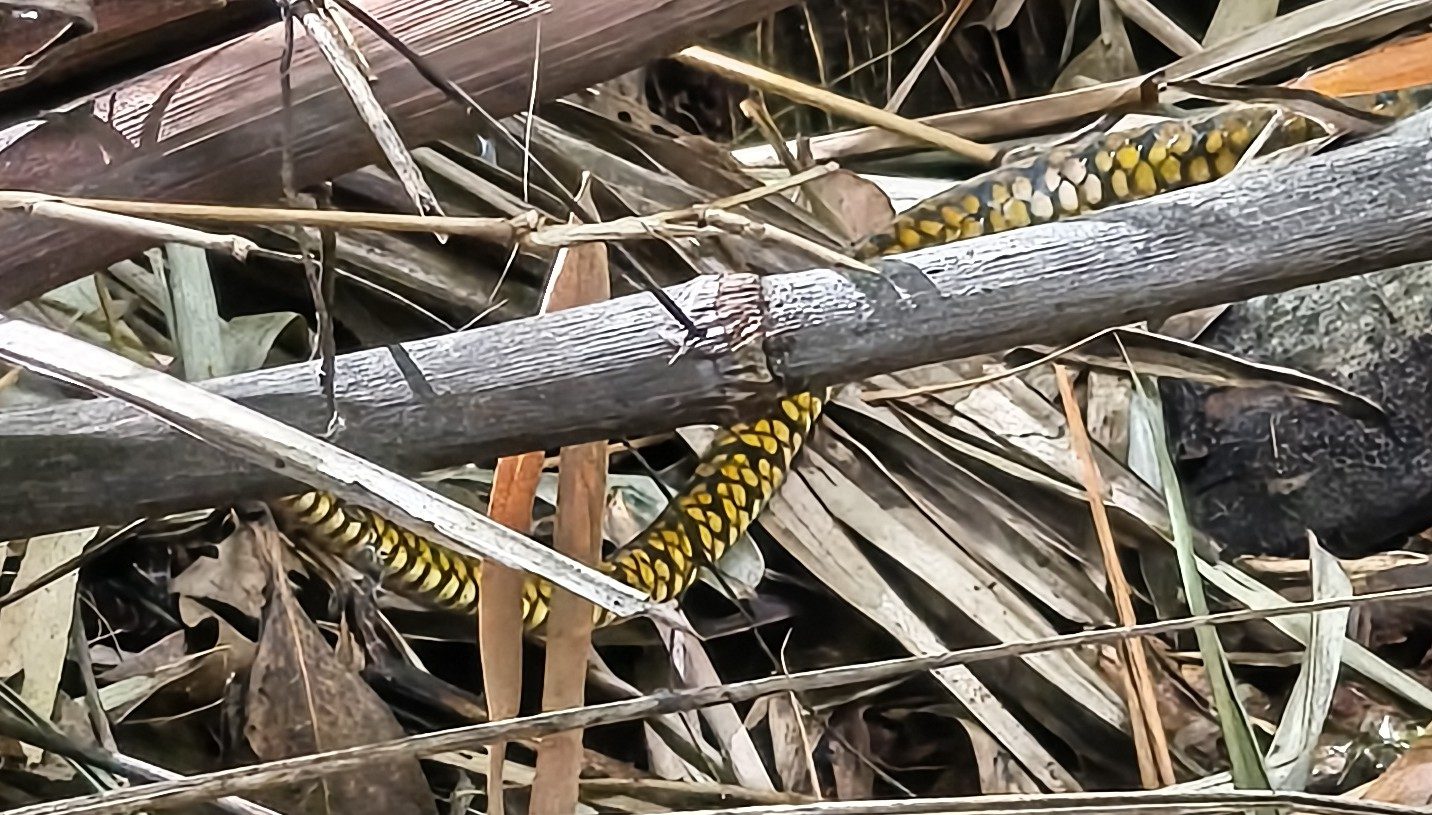 fig. 9coiled in the leaf litter
Coastal Kerala's undergrowth is dense with life. We learn to spot what's camouflaged right in front of us, identify it carefully, and understand why a respectful distance is the whole skill.
Biology & Field Safety03 — Who you'll be learning with
 Portrait
Saqib Chinoy
Portrait
Saqib Chinoy
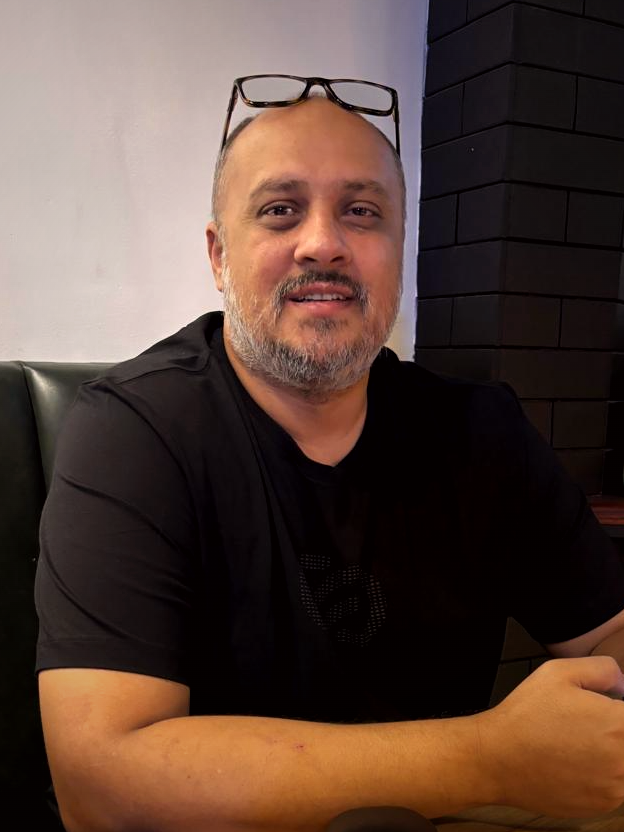
I'm Saqib Chinoy. For the better part of a decade I've taught in classrooms that don't look like most classrooms — six years at The Valley School, part of the Krishnamurti Foundation India, building discovery-led, project-based learning for children aged twelve to eighteen, and more recently teaching Cambridge Business Studies at IGCSE, AS and A Level.
Before any of that, I spent fifteen years in science and business — research, corporate strategy, and bringing new things to market in Singapore and India. That is why my teaching tends to start from the real world and work back towards a coursebook, rather than the other way around.
I've designed original curricula and case studies, mentored students who still keep in touch as working adults, and helped children moving between boards find their feet. Designing learning for one child at a time, around who they actually are, is the part of this work I love most. Seagulls is that, by the sea.
Full background & credentials on LinkedIn05 — Plainly stated
Bringing your child somewhere to learn is a matter of trust. Here, plainly, is the shape of it — before you write in.
Seagulls is an educational travel experience, not a registered or accredited school. It issues no board qualifications, certificates or grades, and does not replace your child's legal schooling arrangements. Work produced becomes part of your child's own portfolio.
Activities are enrichment, built around your child's existing education. Parents remain fully responsible for their child's formal curriculum and any board, legal or homeschooling requirements that apply to them.
A parent, or both, stays with the family for the whole of the stay. I facilitate learning; parents remain responsible for their children's supervision, conduct and wellbeing at all times.
The coast, the sea and outdoor activity carry inherent risk. Families take part at their own risk and are responsible for their own travel, medication and insurance.
Dates and rates are agreed per family and confirmed by an online meeting. Payments cover expenses only — this is not run for profit.
This website is the only place to find or contact Seagulls — there is no Instagram, X or Facebook, no agent. Anything you share in an enquiry is used solely to reply to you and plan your stay.
06 — Start a conversation